



Yo, everyone! It’s me again, your travel blogger and devoted Thai food fanatic! This time, I’m letting you in on a spectacular dish that makes my heart flutter whenever Thailand comes to mind—Thai-style steamed fish with lime and garlic, also known as Pla Neung Manao (ปลานึ่งมะนาว). Just hearing the name brings to mind a whole world of sour, spicy, salty, and sweet flavors straight from the Land of Golden Temples, doesn’t it? Grab a pen, some paper, and an empty stomach, and let’s uncover the secrets to making this incredible dish right at home!
Key Takeaways
- Pla Neung Manao is Thai-style steamed fish with lime and garlic, an important part of Thailand’s food culture.
- Fresh ingredients, especially Thai limes and distinctive seasonings, are the key to its unique flavor.
- Steaming the fish separately and preparing the lime, garlic, and chili sauce separately helps preserve the fish’s natural sweetness.
- This dish is not only delicious but also very healthy, rich in protein, vitamins, and omega-3s.
- A recipe for making Pla Neung Manao at home is included, making it easy to enjoy authentic Thai flavors.
Pla Neung Manao—The “Muse” of the Thai Feast: Have You Tried It?
Before we dive into the kitchen, let me tell you a little about this beauty. Pla Neung Manao is more than just a dish; it’s a distinctive part of Thailand’s food culture. “Pla” (ปลา) means fish, “Neung” (นึ่ง) means steamed, and “Manao” (มะนาว) means lime—the fruit that gives so many famous Thai dishes their soul. This dish brings together an exquisite range of flavors: the natural sweetness of fresh fish, the refreshing tang of lime, the fiery heat of chilies, and the wonderful aroma of garlic and herbs.

I remember my first encounter with Pla Neung Manao at a restaurant beside the Chao Phraya River in Bangkok. Amid the lively atmosphere, a piping-hot fish arrived on a distinctive fish-shaped platter, with a gentle flame underneath to keep it warm and clouds of steam carrying an irresistible aroma. It truly won my heart at first sight. And when I took that first bite, OMG—my taste buds exploded! Ever since, this dish has automatically made my must-try list whenever I return to Thailand, and of course, I’ve also put plenty of effort into learning from the experts so I could make it myself.
Uncovering the Irresistible Appeal of Thai-Style Steamed Fish with Lime and Garlic
Why is this seemingly simple steamed fish dish so captivating? I did a little investigating and uncovered a few secrets!
The Secret Lies in Fresh Ingredients with Authentic Thai Flavor
First and foremost, it’s the quality of the fish. Thai cooks are very particular about choosing fish for steaming. It must be truly fresh, usually sea bass (Pla Krapong - ปลากระพง) or snakehead fish (Pla Chon - ปลาช่อน), with firm, sweet flesh and few bones. Only fresh fish will retain its natural sweetness when steamed without turning mushy.
Next comes Thai cuisine’s lineup of “golden seasonings”:
* Lime (Manao): It should be the small Thai lime variety, with thin skin, plenty of juice, and a distinctively refreshing tartness that is less sharp than lemon.
* Garlic (Krathiam - กระเทียม): Thai garlic has small cloves but a strong aroma. Mince it finely or slice it thinly.
* Bird’s eye chili (Phrik Khi Nu - พริกขี้หนู): Small but mighty, these chilies are tongue-searingly hot, and they’re what give the dish its explosive kick. If you can’t handle spicy food, remember to ask for fewer chilies or leave them out, though I think a little heat is essential for that true Thai flavor.
* Fish sauce (Nam Pla - น้ำปลา): Choose a good-quality Thai fish sauce with a moderate protein content.
* Herbs: Cilantro (Phak Chi - ผักชี) and celery (Khuen Chai - คื่นฉ่าย) are essential, making the dish more enticing and balancing its flavors. Sometimes lemongrass (Takhrai - ตะไคร้) and makrut lime leaves (Bai Makrut - ใบมะกรูด) are placed beneath the fish during steaming for extra fragrance.
A Brilliant Steaming Technique That Preserves Every Bit of Natural Sweetness
Unlike the method in the input summary, which involves marinating the fish before steaming, the Thai secret is often to steam the fish separately first to preserve its natural sweetness, then pour the glorious lime, garlic, and chili sauce over it when it is nearly or just cooked through. This sauce is prepared separately, balancing sour, spicy, salty, and sweet flavors, along with, of course, the aroma of garlic.
Many restaurants in Thailand even serve this dish on a fish-shaped metal platter with a small flame underneath to keep the fish and sauce piping hot. Just imagining eating it while slurping up that tangy, spicy sauce is enough to make me swoon!

Not Just Delicious, but Super Healthy Too!
This really is a perfect match for the clean-eating crowd or anyone who wants to enjoy delicious food without worrying about gaining weight. Steamed fish is an excellent source of lean protein, low in calories and fat. As for lime and garlic, their benefits speak for themselves: they’re rich in antioxidants and vitamin C, helping support immunity. Garlic also has natural anti-inflammatory properties. This combination is not only delicious but also incredibly good for you. The omega-3s in fish support heart health and brain health—how great is that?
Keep This Authentic Thai Pla Neung Manao Recipe Handy and Show Off Your Skills at Home!
Okay, now for the most important part! I’m sharing a recipe I picked up and adapted to suit Vietnamese tastes while keeping its Thai character intact.
Top-notch ingredients:
* 1 whole fish (about 500-700g): Red tilapia, sea bass, pomfret… any fresh fish will do. I usually use red tilapia because it’s easy to find and budget-friendly.
* 5-7 large garlic cloves (finely minced)
* 3-5 bird’s eye chilies (depending on your heat tolerance, sliced or minced)
* 2-3 limes (juiced, with a few slices reserved for garnish)
* 2 tablespoons good-quality fish sauce
* 1-2 tablespoons sugar (adjust to taste)
* 1/2 teaspoon MSG (optional; I usually add a little for extra savory depth)
* Herbs: Cilantro and celery, cut into lengths. You can also place a few slices of lemongrass and a few lime leaves beneath the fish when steaming.
* A little cooking oil (for frying the garlic, if desired)
Let’s get cooking:
1. Prep the fish to perfection: Clean the fish, removing the gills, guts, and scales. Make a few diagonal slashes on both sides so the fish absorbs the seasonings and cooks faster. Rinse with lightly salted water or rub with lime to remove any fishy odor, then rinse again with cold water and drain.
* *My little tip*: Place a few pieces of bruised lemongrass and a few lime leaves beneath the fish’s belly and on the steaming plate for extra fragrance.
2. Prepare the “secret weapon”—lime, garlic, and chili sauce: In a bowl, mix the lime juice, minced garlic, minced/sliced chilies, fish sauce, sugar, and MSG (if using). Taste and adjust until the sour, spicy, salty, and sweet flavors are balanced to your liking. This is the soul of the dish!
* *Insider tip*: I often lightly fry some minced garlic until golden and fragrant before mixing it into the sauce. I find it really boosts the aroma.
3. Steam the fish in a flash: Place the fish on a deep, heatproof plate. Add water to a steamer and bring it to a boil. Once the water is at a full boil, place the plate of fish inside and steam for about 10-15 minutes, depending on the fish’s size. Be careful not to steam it too long, or it will become dry and lose its delicious texture. When just cooked through, the flesh will be opaque white and flake easily.
4. Bathe it in sauce and finish: When the fish is nearly cooked (during the final 2-3 minutes), open the steamer lid and pour the prepared lime, garlic, and chili sauce evenly over the fish. Scatter the cilantro and celery pieces on top. Cover and steam for another 2-3 minutes so the fish absorbs the seasonings and the herbs are lightly cooked.
5. Serve it up and dig in!: Transfer the fish to a serving plate and garnish with a few thin slices of lime. This dish is at its absolute best served hot. Enjoy it with steamed white rice or rice vermicelli for a truly unbeatable meal!

Pla Neung Manao and Stories Across Space and Time
As for its origins, the technique of steaming fish probably dates back a very long time in many food cultures around the world, from Asia to Europe. The input summary mentions the Mediterranean (Địa Trung Hải), Rome (La Mã), Spain (Tây Ban Nha), Italy (Ý), and France (Pháp). This shows that steaming fish to preserve its natural sweetness is a widespread method.
However, creating the renowned Pla Neung Manao, with its delicate harmony of refreshing lime tartness, fiery chilies, fragrant garlic, and savory fish sauce, is a story all its own—a distinctive signature of Thai cuisine. I believe Thai people have developed and perfected this dish over generations, reflecting the wealth of local ingredients and the refined tastes of the people of the Land of Golden Temples. Today, Pla Neung Manao is a familiar presence at family meals, in restaurants ranging from casual to upscale throughout Thailand, and at food festivals too. It’s like a quiet culinary ambassador, winning over countless international diners, myself included!
Enjoying Pla Neung Manao the Right Way—Little Tips from a Food Lover
How do you eat Pla Neung Manao the way it’s meant to be enjoyed?
* First, eat it piping hot, with steam rising from the plate. If it’s served on a fish-shaped platter with a flame to keep it warm, even better!
* Spoon some tangy, spicy sauce over a bowl of fragrant, fluffy white rice, take a piece of snowy-white fish, and add a few herbs… Oh, what a satisfying feeling!
* This dish pairs beautifully with other Thai dishes in a meal, helping balance the flavors. For example, after digging into rich, oily dishes such as curries, fried foods, or stir-fries, a light plate of tangy, spicy steamed fish is an excellent way to cut through the richness.
* In Thailand, you can find Pla Neung Manao everywhere, from humble street-food eateries (which can sometimes be surprisingly delicious) to upscale riverside restaurants. In my experience wandering around, seafood specialists and family-run eateries often make this dish particularly well. Don’t hesitate to ask locals or browse reviews in Thailand enthusiast groups—you’ll soon have a whole list of great spots.
A Final Word from Your Favorite Blogger: Pla Neung Manao—No Thai Food Lover Should Miss It!
There you have it—I’ve revealed all the secrets of Thai-style steamed fish with lime and garlic—Pla Neung Manao! From its origins and tips for choosing ingredients to a foolproof cooking method and the best way to enjoy it. I hope these tips, shared straight from the heart, give you the confidence to make this delicious dish for family and friends, or at least add another favorite to order when you go out for Thai food.
Truly, Pla Neung Manao is more than just a dish; it’s a wonderful culinary experience, a perfect blend of flavor and health benefits. To me, it’s one of those signature dishes that anyone who loves Thai cuisine should try at least once in their life. What are you waiting for? Grab your shopping basket, head to the market, and let’s have some fun in the kitchen! Wishing you every success and plenty of delicious meals full of Thai flavor! See you on my next adventures exploring Thai cuisine. Sawasdee kha!
Related Articles
Bài liên quan
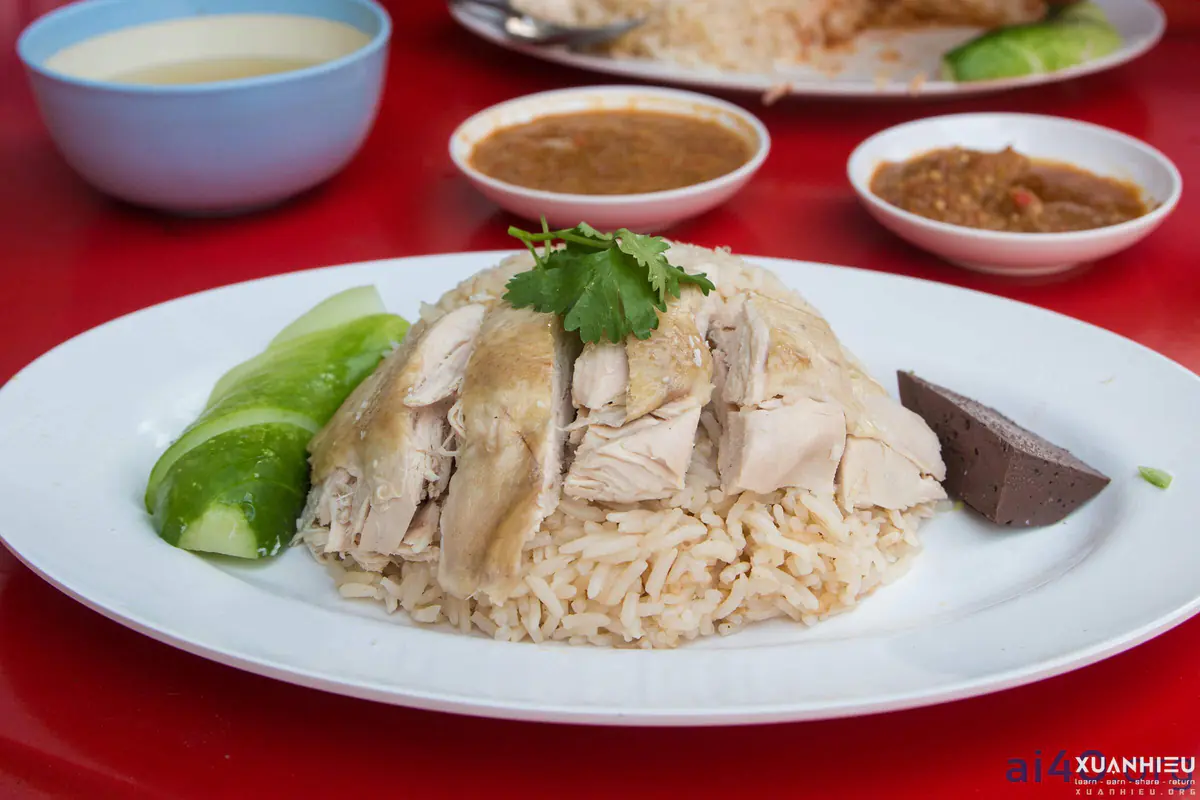
- Khao Man Gai: Secrets to Authentic Thai Flavor at Home!
- Khao Man Gai: A Journey to Discover Thailand’s Famous Chicken Rice!
- Cafe Amazon Bangkok 2026: Latest Menu & Prices!
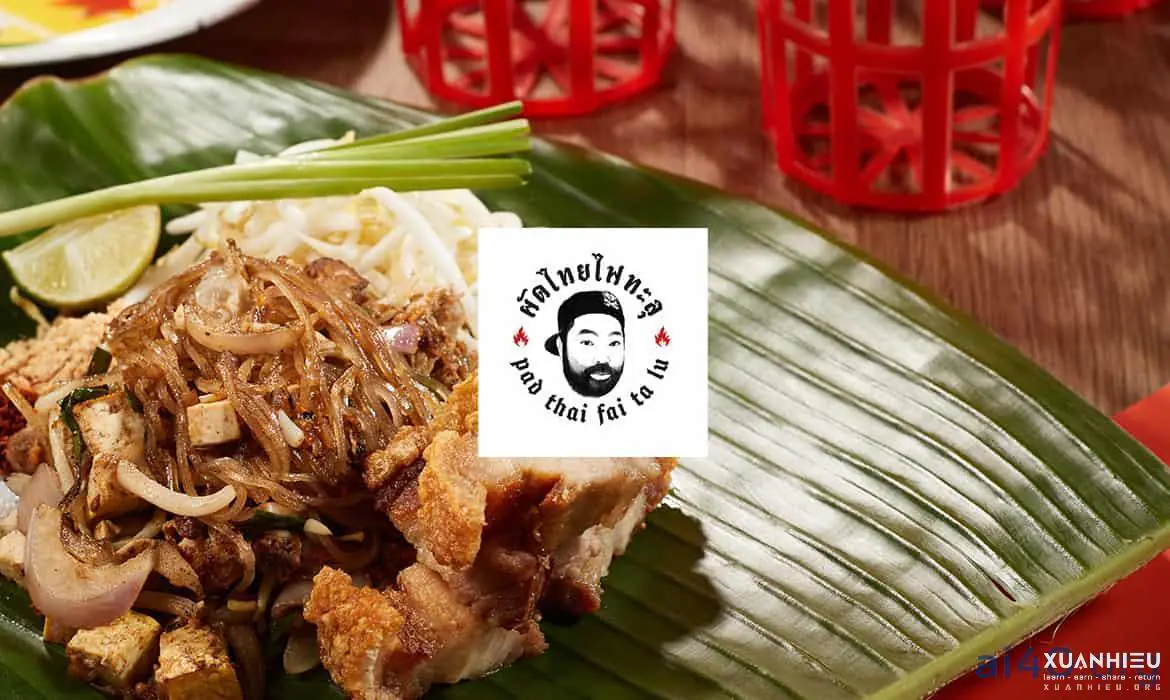
- Pad Thai Fai Ta Lu: Bangkok's Rising Michelin Pad Thai Spot—A Worthy Rival to Thipsamai?
- "Conversation with Thanh" Nguyễn Thành Nam: When the essence of liberation slips into the frivolity of history
- Bypass AI content: make AI writing sound more natural
- Download Comet Perplexity AI Browser (Latest 2026): Official Links & How to Get an Invite Code Instantly
- Master KLING AI 1.6 with a 4000-Line Guide and Master Video Prompt Creation GPT





Bài liên quan
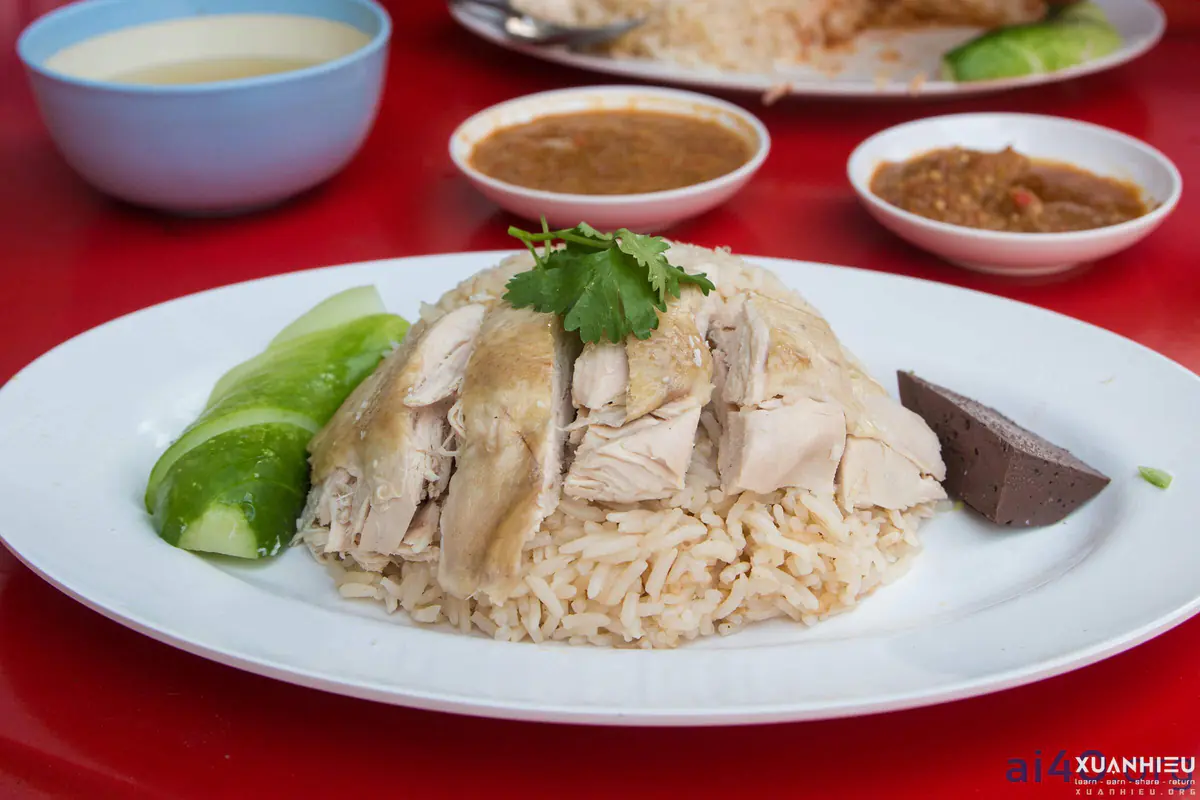
- Khao Man Gai: Secrets to Authentic Thai Flavor at Home!
- Khao Man Gai: A Journey to Discover Thailand’s Famous Chicken Rice!
- Cafe Amazon Bangkok 2026: Latest Menu & Prices!
- Pad Thai Fai Ta Lu: Bangkok's Rising Michelin Pad Thai Spot—A Worthy Rival to Thipsamai?
- "Conversation with Thanh" Nguyễn Thành Nam: When the essence of liberation slips into the frivolity of history
- Bypass AI content: make AI writing sound more natural
- Download Comet Perplexity AI Browser (Latest 2026): Official Links & How to Get an Invite Code Instantly
- Master KLING AI 1.6 with a 4000-Line Guide and Master Video Prompt Creation GPT