



Yo, hello to all my fellow travel lovers! It’s me again, your Thailand fanatic through and through, always ready to spill every insider secret to the crew! Today, I’m taking you into a world of fragrant… intensely fragrant delights, a superstar whose name alone makes foodies swoon—none other than THAI DURIAN! From a rare, somewhat mysterious fruit to the darling of food lovers worldwide, just how exciting has the journey of this “king of fruits” in the Land of Golden Temples been, and what makes it such a sensation? Follow along as we uncover absolutely everything, right here, right now! I guarantee you’ll finish reading and want to grab your backpack, fly to Thailand, and dig straight in!
Key Takeaways
- Thai durian originated in Southeast Asia, and Thailand has elevated it into a global culinary phenomenon.
- There are many famous Thai durian varieties, with Monthong, Chanee, and Kanyao among the most popular.
- Thailand’s peak durian season runs from April to September, and eastern provinces such as Chanthaburi and Rayong are its durian “capitals.”
- When choosing durian, pay attention to the stem, smell, shell, and spikes, and try tapping it to check the quality of the flesh.
- Thai durian is not just eaten fresh; it is also made into delicious treats such as durian sticky rice, durian ice cream, durian pastries, dried durian products, and durian candy. Remember not to eat durian with alcohol.
Thai Durian—The “King” and Its Journey from Orchards to Tables Around the World
Everyone, durian (called “Thu-rian” - ทุเรียน in Thai) has always been a specialty of our Southeast Asian region, and it is believed to have originated on the distant island of Borneo. Apparently, it was mentioned as far back as the time of Confucius (Khổng Tử) in China, while the poet Li Bai (Lý Bạch) was enchanted by its “wonderfully unusual flavor.” But when it comes to spreading durian’s fame and turning it into a phenomenon, Thailand is a major player on the world durian map!
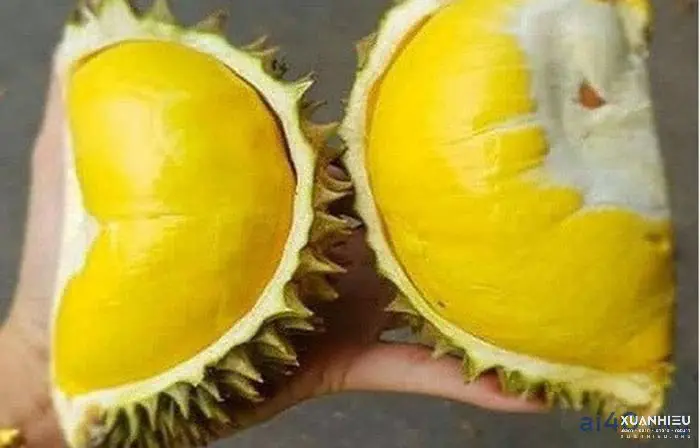
I’m not exactly sure when durian became Thailand’s star attraction, but it was certainly a long time ago. According to stories from the older generation, durian used to be a luxury delicacy that not everyone could easily enjoy. The title “King of Fruits” comes not only from its distinctive flavor but also from its rarity and value. Thailand is now one of the largest and most famous durian-producing countries in the world, with truly top-notch cultivation techniques that produce fruit of exceptional quality. From sprawling orchards in eastern Thailand, plump, fragrant durians have traveled with tourists and export shipments across the globe, creating quite a sensation.
Meet the Thai Durian “Stars” That Have Everyone Buzzing
When it comes to Thai durian, there’s a whole universe of flavors—not just a single variety! Each has its own appeal, and every one is a beauty! Let me give you a quick review of a few famous favorites so you know what to expect:
Monthong (หมอนทอง)—The Beloved “Golden Pillow,” a Safe Choice for Durian Beginners
This is probably the most familiar name for many people. Monthong, which roughly translates as “golden pillow,” produces huge fruit with thick segments, golden-yellow flesh, and tiny, flat seeds. Its flavor is intensely sweet and moderately rich, and, most importantly, its smell is not too overpowering, making it very approachable, even for people just starting to try durian. I’ve noticed that Thai people love Monthong too, especially for drying or making desserts. If you spot Monthong at a Thai market, go for it—it rarely disappoints!
Chanee (ชะนี)—The “Gibbon” with an Alluring Aroma and Unforgettably Rich Flavor
If Monthong is “Miss Congeniality,” then Chanee is definitely the girl with attitude. The name “Chanee” means “gibbon,” everyone. This one has a much stronger aroma than Monthong, with an intensely sweet, rich flavor, sometimes accompanied by the slight bitterness characteristic of premium durian.
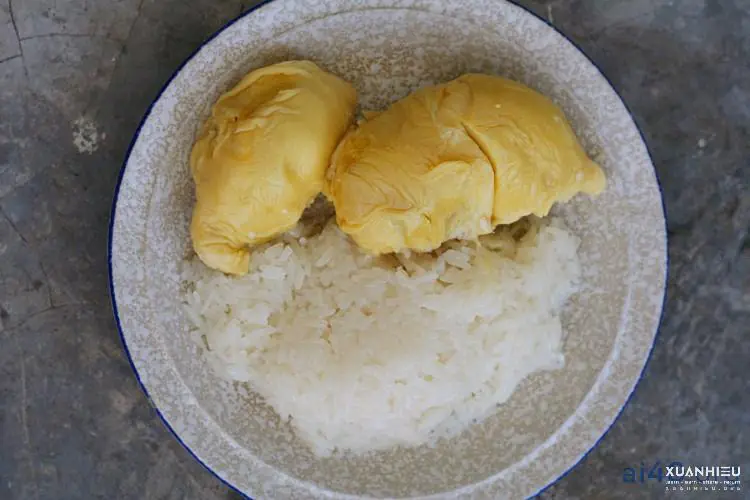
Chanee’s flesh is usually softer and moister, melting in your mouth as you eat it. Durian connoisseurs in Thailand often give Chanee their vote. I’m firmly on Team Chanee myself—that creamy richness combined with its knock-your-socks-off aroma is ridiculously addictive!
Kanyao (ก้านยาว)—The Aristocratic “Long Stem,” the Height of Refinement
Here it is, the ultimate heavyweight of Thai durian! Kanyao, meaning “long stem,” is famous for its distinctively long, thick fruit stem. This is a premium variety with an extremely high price tag, especially Kanyao grown in Nonthaburi near Bangkok. Apparently, some Kanyao fruit have fetched as much as VND 100 million at auction—enough to make you faint! Its quality speaks for itself: smooth, creamy-yellow flesh, an elegant sweetness, a delicate, subtle richness, and a gentle rather than overpowering aroma. One bite of authentic Kanyao is truly unforgettable. It may be pricey, but if your budget allows, I think it’s worth trying at least once to see what the finer things in life taste like!
Puang Manee (พวงมณี)—A Petite “Cluster of Jewels” with Surprisingly Delicious Flavor from Chanthaburi
Besides the three big names above, there’s also Puang Manee, a smaller durian variety that really punches above its weight. Puang Manee has beautiful deep-yellow flesh with an intensely sweet flavor, plenty of fragrance, and a rich texture. This variety is especially popular in eastern provinces such as Chanthaburi. I once tried Puang Manee on a trip to Chanthaburi, and I have to say, it really hit the spot!
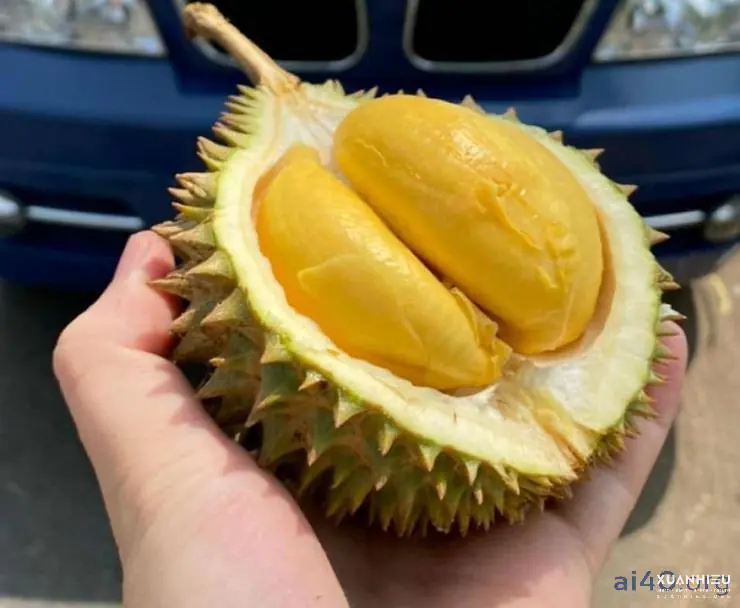
Oh, another variety you’ll often hear about is Thailand’s Gumpun, also called Red Prawn (Tôm Đỏ). This one has striking reddish-orange flesh, a soft texture, and a delicate sweetness, making it well worth a try if you enjoy exploring different varieties.
Hunt Down Thai Durian Like a Local—Insider Tips from Someone Who Practically Lives in Thailand!
Finding outrageously delicious Thai durian takes more than knowing the variety names—you also need to know how to hunt it down! Let me share a few tried-and-true tricks:
Eat with the Seasons: Catch Durian at Its Perfectly Ripe, Utterly Delicious Best!
Thai durian is available year-round, but peak season usually runs from April to August or September, depending on the region. Visit during the right season and you’ll get incredibly delicious durian, more choice, and much friendlier prices. Eastern provinces such as Chanthaburi, Rayong, and Trat usually get their durian earlier. “I remember visiting Thailand in May once, right in durian season. I ate my fill and still couldn’t stop craving more!”
Thailand’s Durian “Capitals”—Where Should You Go to Get Your Fill?
* Or Tor Kor Market (อ.ต.ก.) in Bangkok: This is an upscale fresh produce market where the durian is outstanding, with every fruit carefully selected, though prices are a little higher than elsewhere. In return, you get to enjoy some of the best varieties.
* Eastern provinces such as Chanthaburi and Rayong: If you have time, a trip to these durian capitals during the season is fantastic. You can buy delicious fresh durian right at the orchard, at much lower prices too. I once took a road trip to Chanthaburi during durian season, and oh my goodness, it was a paradise filled with the fragrance of durian, like stepping into a durian festival!
* Large supermarkets such as Big C and Tesco Lotus also sell it, which is convenient, though the selection may not be as varied as at the markets.
Top Tips for Choosing Outstanding Durian—Trust Me, You Won’t Go Wrong!
Choosing durian is an art in itself!
* Look at the stem: It should be fresh, thick, and green or slightly brown. Visible sap is a sign that the durian has recently fallen or been cut, rather than sitting around for a long time.
* Smell it: Tree-ripened durian will have its characteristic strong fragrance, without any sour or unusual odors.
* Tap the shell: Gently tap it with your hand or the handle of a knife. A dull “thud-thud” or solid sound indicates thick flesh and small seeds. A hollow, ringing sound may mean thin flesh and large seeds. This takes a little experience, so ask the seller to tap it for you to hear.
* Look at the spikes: The spikes should be evenly spread out, with slightly dry tips and a fresh-looking color.
* Shake it gently: If you hear the seeds moving inside, the fruit may be overripe or the flesh may not be very good.
“On my first trip to Thailand, I had no idea how to choose one and ended up buying a durian with hard, unripe flesh. Lesson learned the hard way—now I’m much more of a pro, haha!”
Thai Durian Isn’t Just for Eating Fresh: A Whole Culinary “Universe” Is Waiting for You to Explore!
Don’t think the only way to enjoy Thai durian is to open it up and eat the fresh segments! Thai people are incredibly creative, transforming durian into all sorts of spectacular treats:
* Khao Niao Thu Rian (ข้าวเหนียวทุเรียน)—The legendary durian sticky rice: This one needs no introduction: fragrant, chewy sticky rice paired with rich coconut milk and intensely sweet durian flesh. One taste and you’re hooked—the flavor stays with you!
* Durian ice cream (ไอศกรีมทุเรียน): A beloved dessert in Thailand, especially on hot days. It’s cool, creamy, rich, and bursting with durian fragrance. You’ll find it at dessert spots all over Thailand, from street carts to fancy restaurants.
* Durian crepes, durian chiffon cake, durian pie: All kinds of durian-inspired pastries and cakes, each one tempting.
* Dried durian (ทุเรียนอบกรอบ), durian candy: These treats are already hugely famous and make unbeatable gifts for friends and family. Delicious and unmistakably Thai.
If you’re handy in the kitchen, you can also try making durian smoothies or durian cakes at home using recipes online. Just remember, you need to choose genuinely good Thai durian for the finished result to taste right!
Durian: A Nutritious “King” or a “Double-Edged Sword”? A Thai Perspective on Health
With a name like “King of Fruits,” you can imagine how nutritious durian is. It is rich in vitamin C to support immunity, B vitamins for energy and metabolism, and plenty of fiber to aid digestion. On top of that, durian contains many antioxidants that help protect the body.
However, everything has two sides. People in Thailand and many other Southeast Asian countries consider durian a heaty food (ร้อน - r온). Eating too much is believed to cause internal heat, breakouts, and mouth ulcers. My approach is to drink plenty of plain water after eating durian, or pair it with cooling fruits such as mangosteen to “balance things out.”
And there is one EXTREMELY IMPORTANT thing I have to repeat again and again: Never eat durian together with beer, wine, or any other alcoholic drinks! This is a golden piece of advice from both locals and health experts. The combination can cause dangerous reactions in the body, ranging from indigestion and bloating in mild cases to poisoning or cardiovascular problems in severe cases. I’ve heard of plenty of incidents, so please remember: have fun, but don’t overdo it! In short, no matter how delicious it is, you still need to exercise a little self-restraint, eat in moderation, and enjoy it the right way to savor the flavor while looking after your health.
Thai Durian: Wrapping Up an Irresistible Love Affair!
Well, everyone, our journey of discovery through Thai durian ends here for now. I have to say, Thai durian is not simply a fruit; it’s an entire cultural experience, a legal “addiction” that’s hard to kick once you’re hooked. From the fruit-laden orchards of Chanthaburi and Rayong to the intensely fragrant stalls in Bangkok’s markets, Thai durian has an irresistible appeal, a certain magic that makes so many hearts melt.
If you get the chance to travel around the Land of Golden Temples, don’t hesitate to give this “king” a try. Who knows—you might find your culinary soulmate, just as I did! And for all the die-hard durian fans out there, which Thai durian variety do you love most? Rich Monthong, intensely fragrant Chanee, or elegant Kanyao? Share in the comments below so everyone and I can hear your favorites! See you all on our next food tours of Thailand!
Bài liên quan
- Pad Ped Nok: The Secrets to Authentic Songkhla-Style Spicy Thai Duck Stir-Fry!
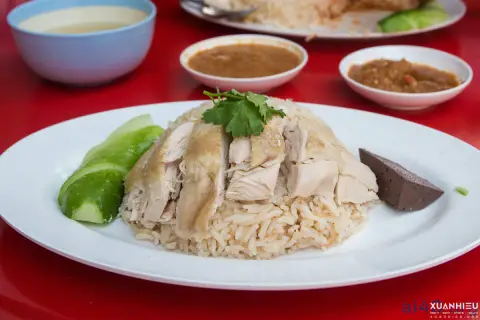
- Khao Man Gai: Secrets to Authentic Thai Flavor at Home!
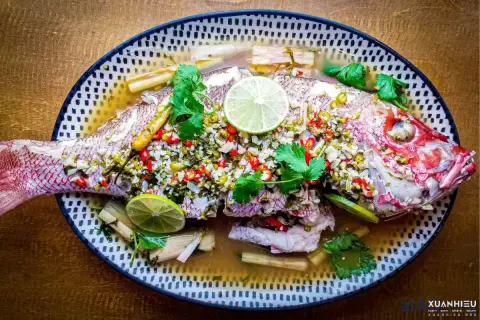
- Thai-Style Steamed Fish with Lime and Garlic: Delicious, Healthy, and Easy to Make at Home!
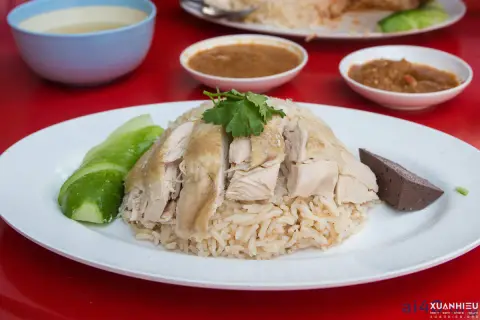
- Khao Man Gai: A Journey to Discover Thailand’s Famous Chicken Rice!
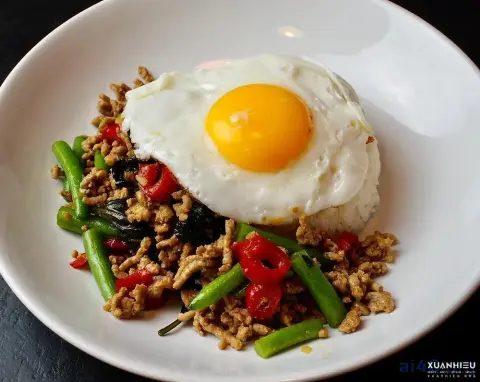
- Eating Your Way Through Bangkok with Tongue-Scorching Pad Gaprao: Is It Worth Trying?
- Eating Your Way Through Bangkok in 1 Day: An Epic Four-Region Thai Food Tour!
- Bangkok Food Tour: Eat Your Way Through Bang Rak and Discover the Street Food of Thailand (Thái Lan)!
- Gobbling up Ayutthaya: Not just temples, the cuisine here is also 'top-notch'!
Bài liên quan
- Pad Ped Nok: The Secrets to Authentic Songkhla-Style Spicy Thai Duck Stir-Fry!
- Khao Man Gai: Secrets to Authentic Thai Flavor at Home!
- Thai-Style Steamed Fish with Lime and Garlic: Delicious, Healthy, and Easy to Make at Home!
- Khao Man Gai: A Journey to Discover Thailand’s Famous Chicken Rice!
- Eating Your Way Through Bangkok with Tongue-Scorching Pad Gaprao: Is It Worth Trying?
- Eating Your Way Through Bangkok in 1 Day: An Epic Four-Region Thai Food Tour!
- Bangkok Food Tour: Eat Your Way Through Bang Rak and Discover the Street Food of Thailand (Thái Lan)!
- Gobbling up Ayutthaya: Not just temples, the cuisine here is also 'top-notch'!